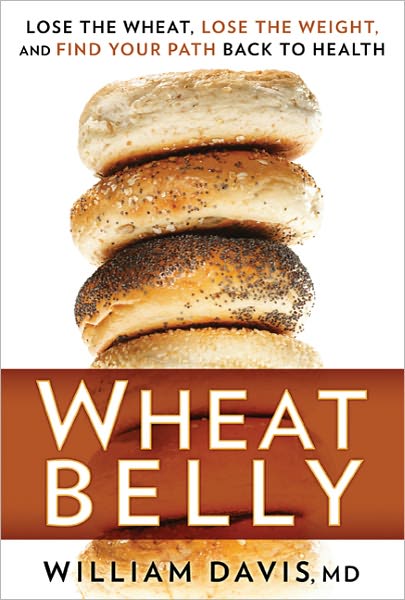
 Wheat Belly: Lose the Wheat, Lose the Weight, and Find Your Path Back to Health by William Davis, MD. A renowned cardiologist explains how eliminating wheat from our diets can prevent fat storage, shrink unsightly "wheat belly" bulges, and reverse myriad health problems, like minor rashes and high blood sugar. The author contends that every single human will experience health improvement by giving up modern wheat. The book provides readers with a user-friendly, step-by-step plan to navigate a new, wheat-free lifestyle.
Informed by cutting-edge science and nutrition, along with case studies from men and women who have experienced life-changing transformations in their health after waving goodbye to wheat. The author's blog.
Published August 30, 2011.
Wheat Belly: Lose the Wheat, Lose the Weight, and Find Your Path Back to Health by William Davis, MD. A renowned cardiologist explains how eliminating wheat from our diets can prevent fat storage, shrink unsightly "wheat belly" bulges, and reverse myriad health problems, like minor rashes and high blood sugar. The author contends that every single human will experience health improvement by giving up modern wheat. The book provides readers with a user-friendly, step-by-step plan to navigate a new, wheat-free lifestyle.
Informed by cutting-edge science and nutrition, along with case studies from men and women who have experienced life-changing transformations in their health after waving goodbye to wheat. The author's blog.
Published August 30, 2011.
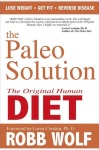
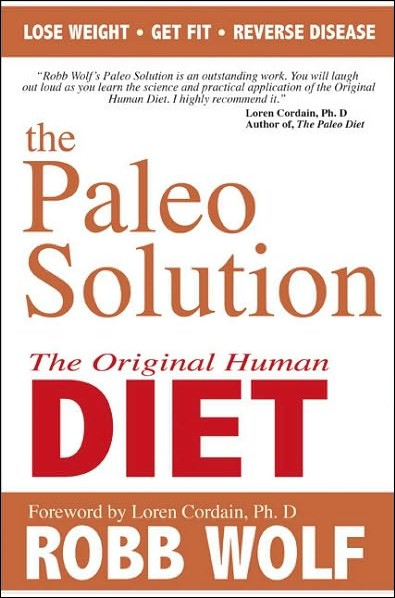 The Paleo Solution: The Original Human Diet by Robb Wolf, a research biochemist. Readers will understand digestion, how protein, carbohydrate and fat influence hormones, and how this plays into fat loss, health or disease. They'll understand the significance of dietary fats whether the concern is performance, health, longevity, or making your fanny look good in a bikini. The book goes into how lifestyle factors such as sleep and stress influence the hormone cortisol. It gets into basic blood work and what things people should ask their doctor to include to better assess inflammation and health. It also includes a detailed 30-day meal plan and a beginner exercise program. The exercise program is geared to the beginner or someone who is quite de-conditioned but the nutritional info would be helpful for anyone regardless of background. The author's website is Robb Wolf. He likes to pass out the information via weekly podcasts. Here's a video Introduction to the book. And here is an excerpt from the book: How to Keep Feces Out of Your Bloodstream (or Lose 10 Pounds in 14 Days). The many Amazon reviews all rave about the book. Published September 14, 2010.
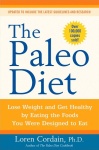
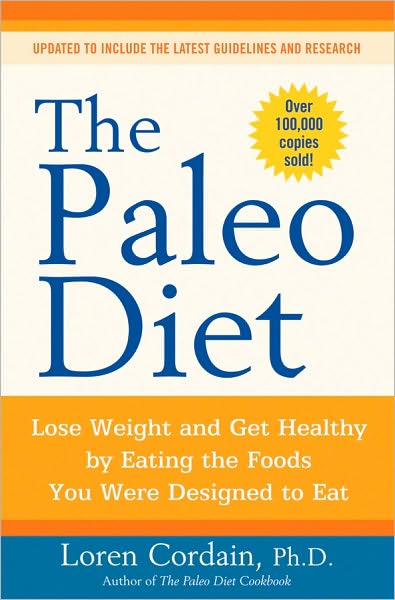 The Paleo Diet: Lose Weight and Get Healthy by Eating the Food You Were Designed to Eat, Revised Edition by Loren Cordain. This revised edition features new weight-loss material and recipes plus the latest information drawn from breaking Paleolithic research. Published December 7, 2010. There is also an older edition available that you don't want.
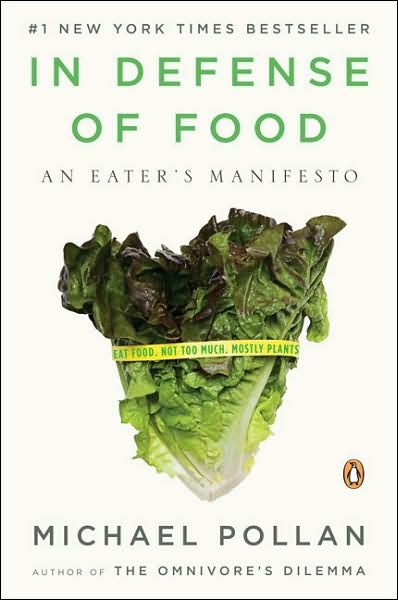 In Defense of Food: An Eater's Manifesto by Michael Pollan gives a guided tour of 20th century food science, a history of "nutritionism" in America and a look at the marriage of government and the food industry. Then the book presents a commonsense shopping-and-eating guide, which like the paleo diet focuses on shopping the perimeter of the supermarket. He also now has a much shorter Food Rules: An Eater's Manual.
 The Paleo Diet for Athletes: A Nutritional Formula for Peak Athletic Performance by Loren Cordain and Joe Friel. New edition published October 2012.
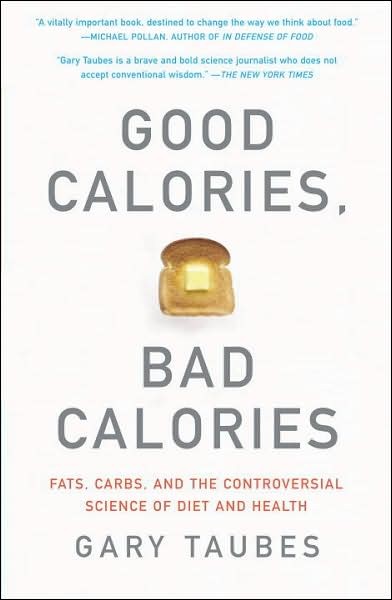 Good Calories, Bad Calories: Fats, Carbs, and the Controversial Science of Diet and Health by Gary Taubes expounds on his 2002 article in the NY Times (What if It's All Been a Big Fat Lie?) and then in Science Magazine (see below). He shows how public health data has been misinterpreted to mark dietary fat and cholesterol as the primary causes of coronary heart disease. Deeper examination, he says, shows that heart disease and other diseases of civilization appear to result from increased consumption of refined carbohydrates: sugar, white flour and white rice. Or in other words, without using the word Paleolithic, he justifies the paleo diet. Here is an excellent chapter by chapter summary of the book [archive.org].
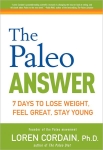
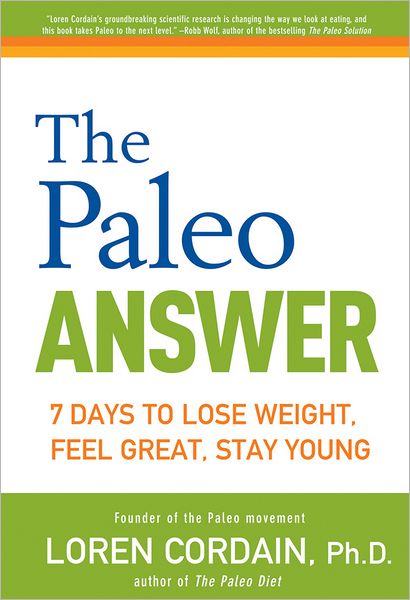 The Paleo Answer: 7 Days to Lose Weight, Feel Great, Stay Young by Loren Cordain. The author shows you how to supercharge the Paleo diet for optimal lifelong health and weight loss. Featuring a new prescriptive 7-day plan and surprising revelations from the author's original research, it's the most powerful Paleo guide yet. Published December 20, 2011.
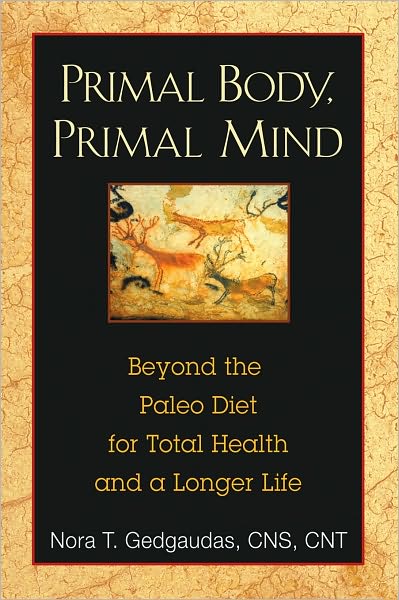 Primal Body-Primal Mind: Beyond the Paleo Diet for Total Health and a Longer Life by Nora Gedgaudas advocates a diet that our paleo ancestors ate. Meat, lots of fat, and seasonal fruits and berries when available. Basically, sugar and starchy carbs are discouraged. You can download a chapter from the author's site. She has a Primal Body, Primal Mind Radio weekly show on Voice of America. It started May 20, 2009, so there are many shows you can listen to. Published June 30, 2011.
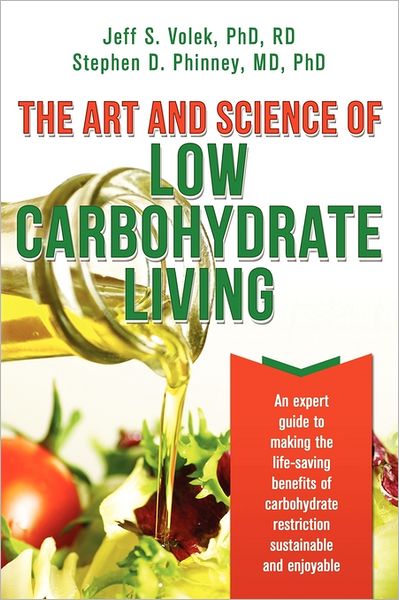 The Art and Science of Low Carbohydrate Living: An Expert Guide to Making the Life-Saving Benefits of Carbohydrate Restriction Sustainable and Enjoyable by Stephen D. Phinney and Jeff S. Volek synthesizes the science into one readable source. The book is excellent for general low-carb high-fat moderate protein diets. While they begin with the idea that we should eat like a caveman, they do not follow the conclusion to its logical end and have us avoid the classes of foods our ancestors would have found unrecognizable. They avoid the metobolic syndrome, but not the autoimmune diseases. They mention that monosaturates should be favored, though they are not emphasized in the menu example. The book's daily menu examples also all include dairy in one form or another. No tips are given tips for those who do not do dairy. Published May 19, 2011. The Amazon reviews average to 4+.
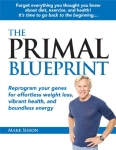
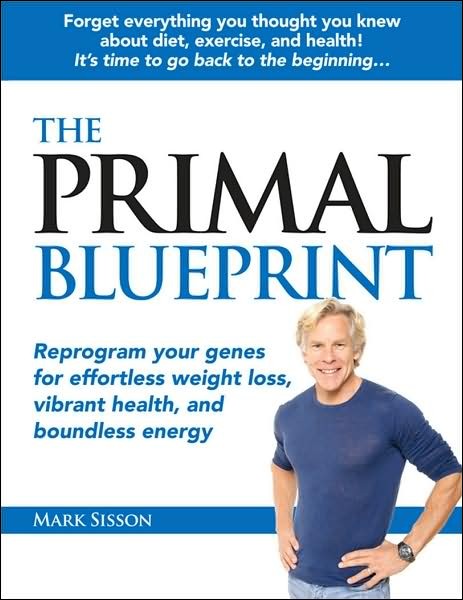 The Primal Blueprint: Reprogram your genes for effortless weight loss, vibrant health, and boundless energy by Mark Sisson is a journey through human evolution, comparing the life and robust health of our hunter-gatherer ancestors with a day in the life of a modern family. The author offers a solution in 10 empowering Blueprint Lifestyle Laws: eat lots of plants and animals, avoid poisonous things, move frequently at a slow pace, lift heavy things, sprint once in a while, get adequate sleep, play, get adequate sunlight, avoid stupid mistakes, and use your brain. The reader learns how the right high-fat diet can actually help one lose weight and how popular low-fat, grain-based diets might trigger illness, disease, and lifelong weight gain. The author presents a comprehensive, well thought out paleo style eating plan in a humorous and organized manner. He backs up all his work with research, natural wisdom, and historical timelines. He disputes the role of dietary saturated fat in causation of arteriosclerosis, the role of cholesterol in promotion of heart disease, and the costly over-promotion of expensive, potentially toxic statin drugs. He criticizes our massive overeating of refined carbohydrates and urges avoidance of grains, cereals, bread and sugar. There is specific recommendation for "primal" food including more natural healthy fats and meats, fruits, veggies, and nuts. Some reviewers consider this to be the best of the various paleo books. The many Amazon reviews average to 5 stars. The author's popular and worthwhile web site: Mark's Daily Apple. The 2nd Edition was published January 14, 2012.
 Bruce Fife also has a newly revised The Coconut Oil Miracle. The book describes the therapeutic properties of coconut oil. It offers a nutrition plan with dozens of recipes. The many Amazon reviews average to 4+. Many testimonials to coconut consumption.
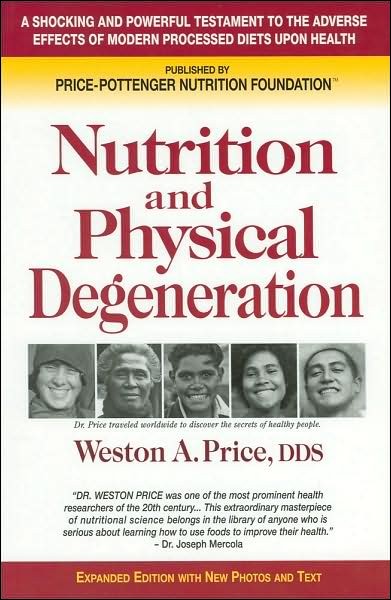 Nutrition & Physical Degeneration by Dr. Weston Price's book puts to rest a lot of myths about diet, dental, physical, and emotional health, and presents the strongest case for a super-nutritious Native (or Paleo) Diet. His book outlines the conditions/causes for exceptional health. A classic that was first published in 1938. The Soil and Health Library has a Book Review by Steve Solomon. If you don't buy the book at least read the review. N.B. If you live in one of the countries where this book is now in the public domain, you can read it online. But not if you live in a country where it is still under copyright protection.
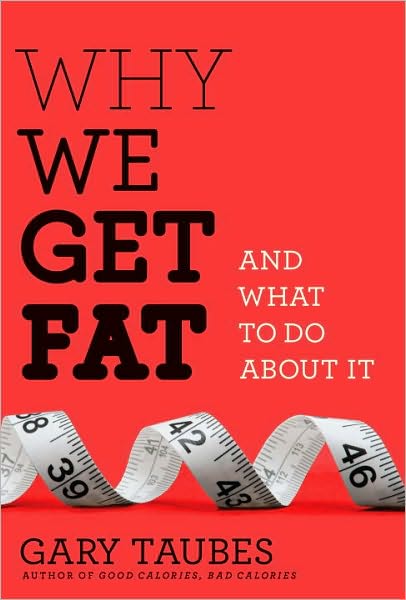 Why We Get Fat: And What to Do About It by Gary Taubes has fresh evidence for his claim that certain kinds of carbohydrates–not fats and not simply excess calories–have led to our current obesity epidemic. This book is more accessible than his first one. He covers insulin's regulation of our fat tissue. Published December 28, 2010.
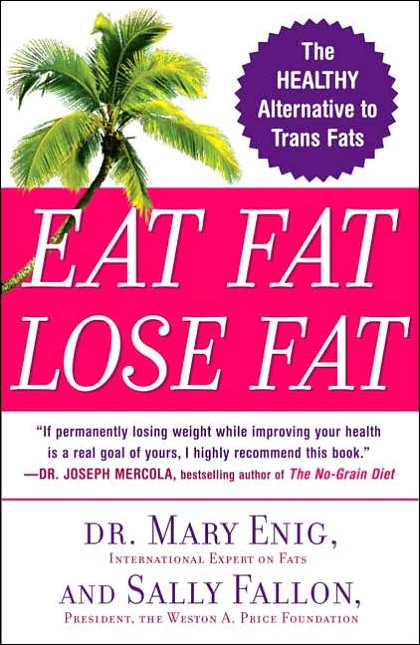 Sally Fallon and Mary Enig have a new Coconut Diet book called Eat Fat, Lose Fat: Lose Weight And Feel Great With The Delicious, Science-based Coconut Diet.
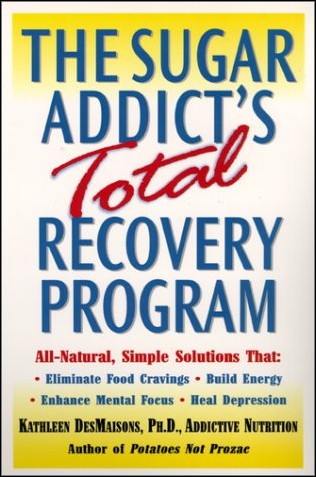 The Sugar Addict's Total Recovery Program by Kathleen DesMaisons. While this isn't really a paleo book, it does point out issues with the foods we aren't eating. The books claims the excessive processed sugar consumed is responsible for "mood swings, depression, fatigue, fuzzy thinking, PMS, impulsivity ... [and] unpredictable temper." She says her research shows indulging in sugar highs should be treated much more seriously, akin to heroin or alcohol dependency, because sugar causes spikes in the neurotransmitters serotonin and beta-dopamine just like those drugs.
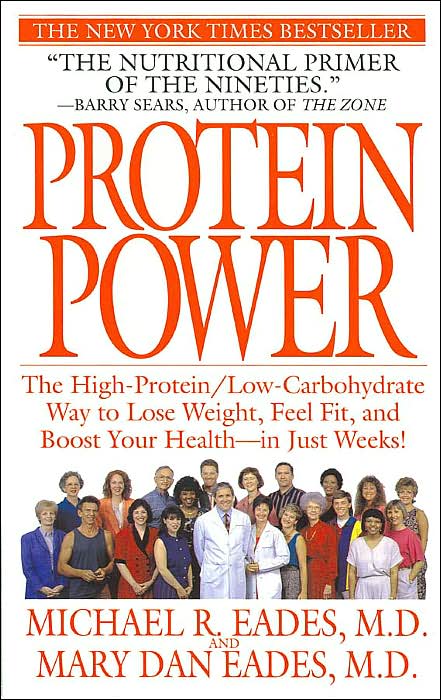 Protein Power: The High-Protein/Low-Carbohydrate Way to Lose Weight, Feel Fit, and Boost Your Health--in Just Weeks! by Eades and Eades was a best seller for over a year. It uses many paleo arguments for their diet recommendations. All easy to understand. The hundreds and hundreds of reviews at Amazon average to 4+ stars.
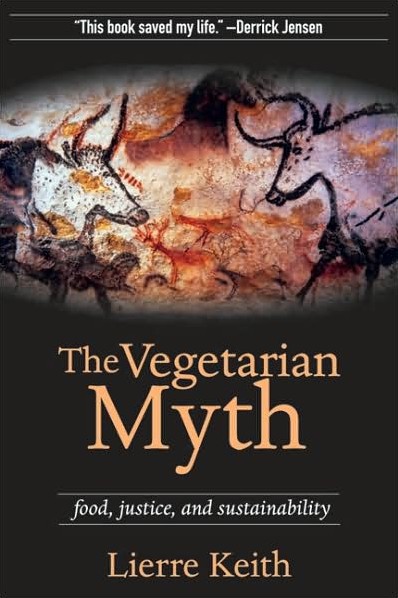 The Vegetarian Myth: Food, Justice, and Sustainability by Lierre Keith is against industrial farming. She spent 20 years as a vegan, and now reveals the risks of a vegan diet, and explains why animals belong on ecologically sound farms. And as all the neolithic foods we avoid are produced on industrial farms, she is against the foods we avoid. Here's a well thought out review by Eric Wargo: Clubbing Vegetarians Over the Head With the Truth.
 The Great Cholesterol Con: The Truth About What Really Causes Heart Disease and How to Avoid It by Dr. Malcolm Kendrick reveals that high cholesterol levels do not cause heart disease; that high-fat diets–saturated or otherwise–do not affect blood cholesterol levels; and that for most men and all women the benefits offered by statins are negligible at best. Other data is also provided that shows that statins have many more side affects than is often acknowledged.
 Dangerous Grains by James Braly and Ron Hoggan is the most comprehensive book ever written about the effects of gluten containing grains on the body. Includes a list of almost 200 diseases at the back of the book.
 Life Without Bread: How a Low-Carbohydrate Diet Can Save Your Life by Christian B. Allan, Wolfgang Lutz. It is based on Dr. Lutz's work with thousands of patients in Austria. It deals with the health issues connected to high carb consumption. It is basically an English version and update of Dr. Lutz's 1967 book with the same title: Leben ohne Brot. He recommends eating only 72 grams of carbohydrates, and an unlimited amount of fat. And provides evidence as to why this is the healthiest diet. Read the review at Amazon by Todd Moody (it will be first!). See excerpts from his earlier edition: Dismantling a Myth: The Role of Fat and Carbohydrates in our Diet
 Know Your Fats: The Complete Primer for Understanding the Nutrition of Fats, Oils and Cholesterol by Mary G. Enig presents a thorough, in-depth, and understandable look at the world of lipids. There are several very thorough Amazon reviews, especially the review by Stephen Byrnes. The numerous Amazon ratings average to 4+ stars.
 Lights Out: Sleep, Sugar, and Survival recommends a very paleo-like diet, and they also make a good argument for electric lighting as a major contributor to modern health problems. It's written in a very magazinish, overblown style, but the reasoning is overall sound.
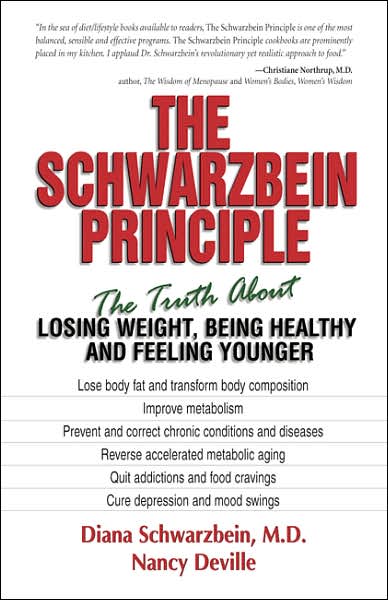 Diana Schwarzbein is another M.D. that has come to realize that low carb is what works. See reviews at The Schwarzbein Principle. The book is based on her work with insulin-resistant patients with Type II diabetes. She concludes that low-fat diets cause heart attacks, eating fat makes you lose body fat, and it's important to eat high-cholesterol foods every day.
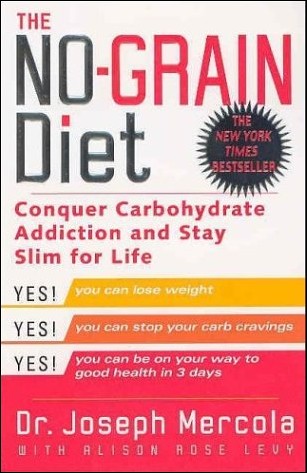 The No-Grain Diet: Conquer Carbohydrate Addiction and Stay Slim for Life by Dr. Joseph Mercola and Alison Rose Levy argues that the secret to lasting weight loss is to cut out starches, sweets and grains entirely. (Dieters on the maintenance program are allowed "healthy" grains-buckwheat, quinoa, etc.)
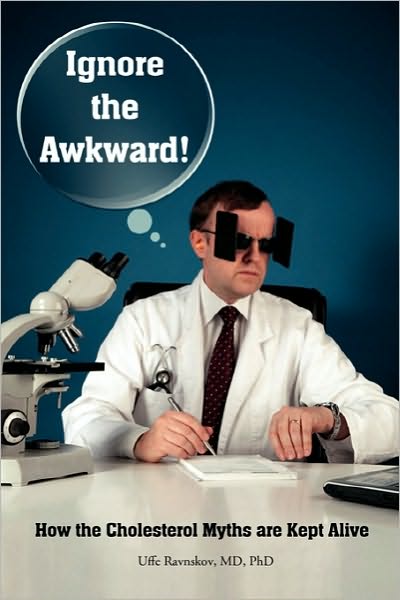 Ignore the Awkward! How the Cholesterol Myths Are Kept Alive by Uffe Ravnskov. Of his three books this is the newest and shortest. A good book review is Tom Naughton's Dr. Ravnskov's New Book: Ignore the Awkward!. All reviewers at Amazon give it 5 stars. Published January 10, 2010.
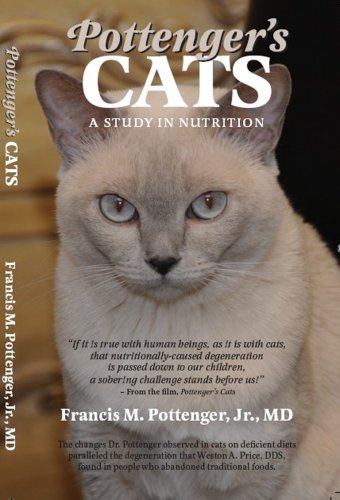 Pottenger's Cats: A Study in Nutrition by Francis Marion Pottenger, Jr. MD is a classic in the science of nutrition. Dr. Pottenger discovered that cats degenerated unless they were fed raw food.
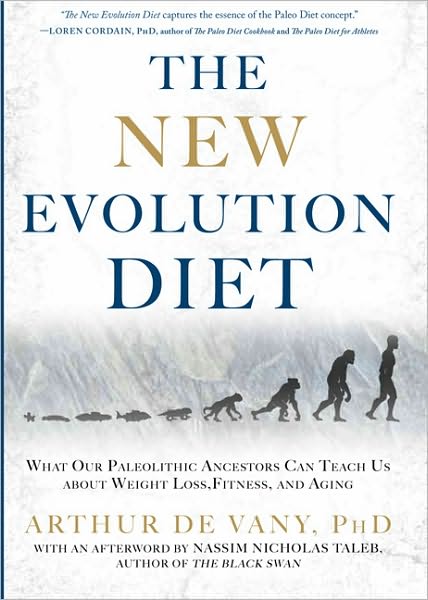 The New Evolution Diet: What Our Paleolithic Ancestors Can Teach Us about Weight Loss, Fitness, and Aging by Arthur De Vany. Art is the grandfather of the "Paleo Lifestyle" movement. The plan is built on three principles: (1) eat three meals a day made up of nonstarchy vegetables, fruits, and lean proteins; (2) skip meals occasionally to promote a low fasting blood insulin level; and (3) exercise less, not more, in shorter, high-intensity bursts. Note that the book is anti-fat. All oils are to be avoided, though canola is considered okay for higher temperatures. Egg yolks are to be skipped now and then. Published December 21, 2010.
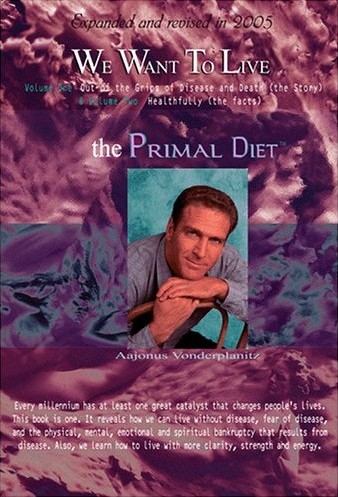 We Want to Live: The Primal Diet (2005 Expanded Edition) is a book by Aajonus Vonderplanitz. His basic philosophy is that (a) food is to be eaten in a live, raw condition; and (b) a diet rich in raw fats and raw meats from natural sources is essential to health. However his diet includes massive amounts of raw dairy. From the Planets is a book review by Ralph W. Moss. The Live-Food Mailing List discusses the concepts of this book.
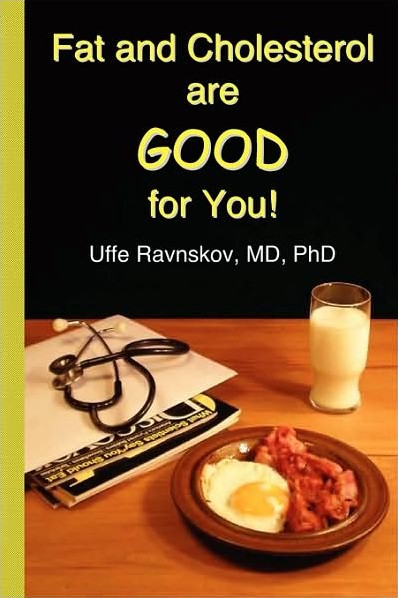 Fat and Cholesterol are Good for You by Uffe Ravnskov is a new book which includes updated and simplified sections from his previous one (The Cholesterol Myths). Ravnskov also presents his own idea about the cause of heart disease, an idea that explains all the findings that do not fit with the present view. It is a powerful book. Also see his web site. The Amazon.com reviews average to 5 stars. Published January 26, 2009.
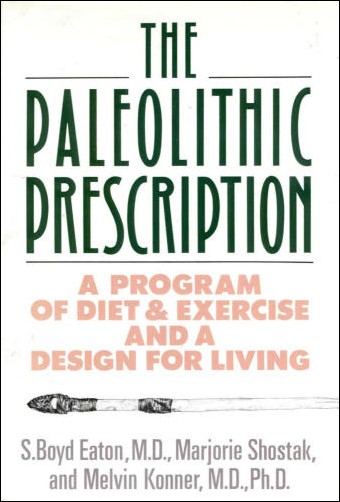 The Paleolithic Prescription: A Program of Diet & Exercise and a Design for Living by S. Boyd Eaton, M.D., Marjorie Shostak and Melvin Konner. This book, published in 1988, was the start of the Paleolithic diet movement. Its recommendations are not in line with what today is considered a paleo diet, as whole grain breads and pastas, legumes and some low fat dairy products are allowed. However, it is still a profoundly important book. Used books are available for a reasonable price.
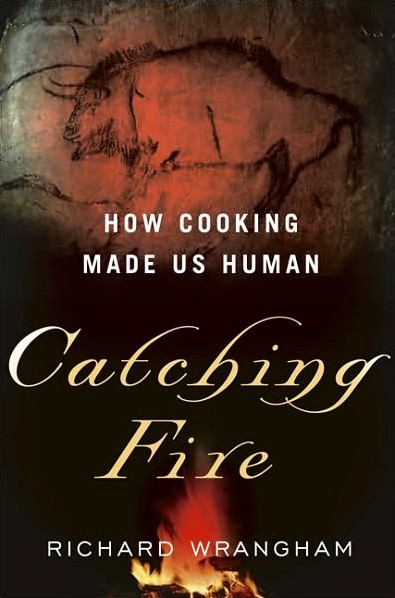 Catching Fire: How Cooking Made Us Human by Richard Wrangham. This book argues that the ease of digestion and the added nutritional value available in cooked food was the key behind the explosion of human intelligence. (Cooking gelatinizes starch, denatures protein, and softens all foods, permitting more complete digestion and energy extraction. As a result, the food processing apparatus shrinks, freeing energy to support a larger brain.) He then suggests that cooking led to what eventually became marriage and the sexual division of labor. The two most helpful reviews at Amazon get into great detail. The reviews average to 4+ stars.
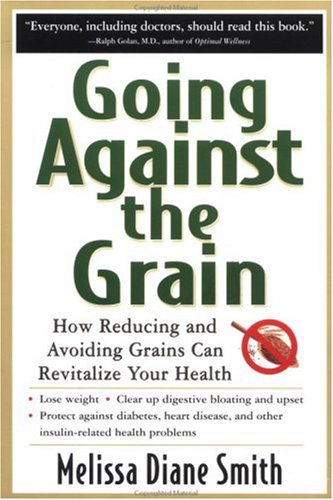 Going Against the Grain: How Reducing and Avoiding Grains Can Revitalize Your Health by Melissa Diane Smith deals with a much broader range of health problems associated with grains and one Amazon reviewer argues is better than the Mercola book.
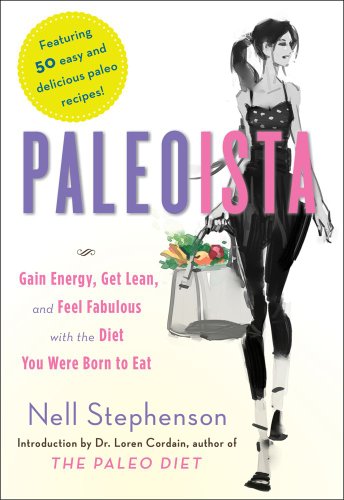 Paleoista: Gain Energy, Get Lean, and Feel Fabulous With the Diet You Were Born to Eat by Nell Stephenson. Paleoista is not only a how-to book, it is also a glimpse into the life of a woman who gives advice on how to eat this way, and lives the life, day in and day out. The author's websites: NellStephenson.com Nutrition & Fitness and Paleoista.com.
To be published May 1, 2012.
Paleoista: Gain Energy, Get Lean, and Feel Fabulous With the Diet You Were Born to Eat by Nell Stephenson. Paleoista is not only a how-to book, it is also a glimpse into the life of a woman who gives advice on how to eat this way, and lives the life, day in and day out. The author's websites: NellStephenson.com Nutrition & Fitness and Paleoista.com.
To be published May 1, 2012.
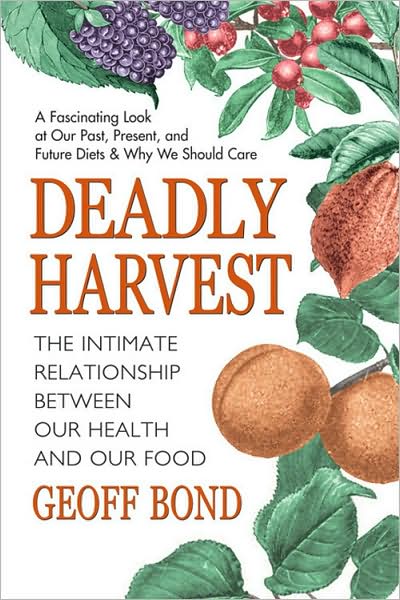 Deadly Harvest: The Intimate Relationship Between Our Health and Our Food by Geoff Bond. The author is a nutritional anthropologist who has for years investigated both foods of the past and our prehistoric eating habits. Using the latest scientific research and studies of primitive tribal lifestyles, Bond first explains the actual diet that our ancestors followed--a diet that was and still is in harmony with the human species. He then describes how the foods in today's diets disrupt our biochemistry and digestive system, leading to health disorders such as allergies, arthritis, cancer, diabetes, heart disease, osteoporosis, obesity, and more. Most important, he explains the appropriate measures we can take to avoid these diseases--and even beat them back--through healthy eating. The conclusions of Deadly Harvest are that disease control happens by eating a strict low-glycemic diet, lowering the percentage of body fat you carry around, eat a diet consisting of mostly non-starchy plant-based foods, eat a low-fat diet with ample amounts of omega-3 fats, maintain good colon health, engage in regular physical activity, get some daily sunshine, and reduce chronic stress. If you do this, then diseases like cancer, heart disease, digestive problems, allergies, autoimmune diseases, brain diseases, diabetes, and obesity can be avoided. The Amazon reviews average to 5 stars.
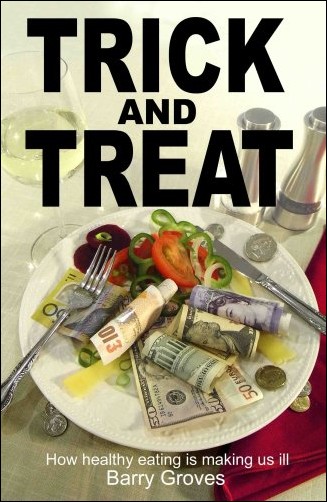 Trick And Treat - how 'healthy eating' is making us ill by Barry Groves. The author is one of the world's most outspoken proponents of a high-fat, low-carbohydrate diet. This book is an account of how and why the health-care establishment has got the concept of 'healthy eating' so wrong. Whereas Taubes work (see above) is a fairly straight forward review of the existing science, Groves expands into the politics of medical research and treatment to a much greater extent. "Trick and Treat" is divided into two parts. Part One describes the corruption in the health industry, points out the problems inherent in a high-carb, low-fat diet, and then prescribes a diet that leads to good health. The prescribed diet is high in fat - specifically animal fat, not polyunsaturated vegetable fat - and low in carbohydrates, with 60-70% of calories from fat, 15-25% of calories from protein, and a mere 10-15% of calories from carbohydrates. Part Two describes numerous diseases the author claims are the result of high carbohydrate consumption. These range from life-threatening disorders such as cardiovascular disease, diabetes, and cancer to less serious problems such as acne, near-sightedness and dental problems. The Amazon reviews average to 4+ stars.
 The Great Cholesterol Con by Anthony Colpo. The definitive book on the non-dangers of dietary cholesterol and saturated fat was The Cholesterol Myths by Uffe Ravnskov, 2000. This book is six years newer. Its forward is by Uffe Ravnskov. To get a wonderful description of the book read the leading review at Amazon. The many reviews there average to 5 stars.
 Man Eating Bugs: The Art and Science of Eating Insects by Peter Menzel and Faith D'Aluisio gets laudatory reviews at Amazon.
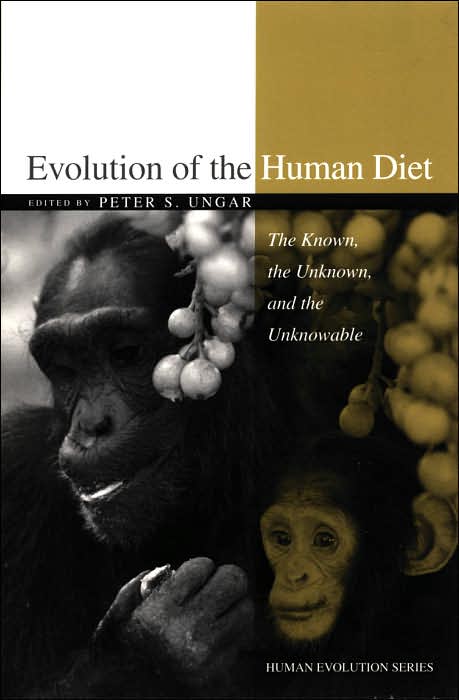 Evolution of the Human Diet: The Known, the Unknown, and the Unknowable by Peter S. Ungar. Diet is key to understanding the ecology and evolution of our distant ancestors and their kin, the early hominins. A study of the range of foods eaten by our progenitors underscores just how unhealthy many of our diets are today. This volume brings together authorities from disparate fields to offer new insights into the diets of our ancestors. Paleontologists, archaeologists, primatologists, nutritionists and other researchers all contribute pieces to the puzzle. The book has four sections: Reconstructed diets based on hominin fossils--tooth size, shape, structure, wear, and chemistry, mandibular biomechanics. Archaeological evidence of subsistence--stone tools and modified bones. Models of early hominin diets based on the diets of living primates--both human and non-human, paleoecology, and energetics. Nutritional analyses and their implications for evolutionary medicine.
 Food and Western Disease: Health and nutrition from an evolutionary perspective by Staffan Lindeberg (MD at Lund University in Sweden) is the newest book promoting the paleo diet. It covers the link between diet and disease in the Western world (all major diseases, including cancer, heart disease, obesity, stroke and dementia) and towards a greater knowledge of what can be defined as the optimal human diet. Benefits and risks are detailed. The Amazon reviews are all 5 stars. Especially read Susan Schenck's detailed review. You can read a preview at Google Books
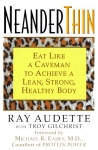
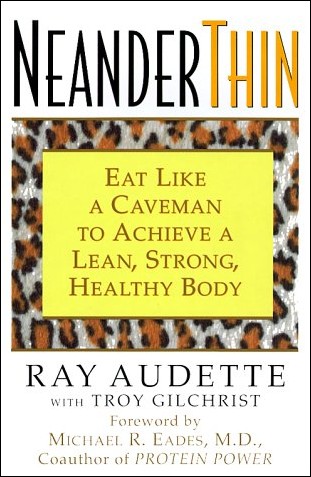 NeanderThin: Eat Like a Caveman to Achieve a Lean, Strong, Healthy Body (Hardcover) by Ray Audette, with Troy Gilchrist, was one of the early paleo diet authors. His home page NeanderThin [now restored from archive.org] has a diet based on the ideas of paleolithic nutrition. The diet can be followed as a low-carb, moderate or high carb diet, depending upon whether and how much fruit is used. You can read up through page 19 of the book at Google Books. The original press release from 1999. [The webmaster has an extra copy with the author's signature for sale. It has the original lime-purple cover. Pristine new condition. $60 (shipping included). Paypal only. Use e-mail link at page bottom.]
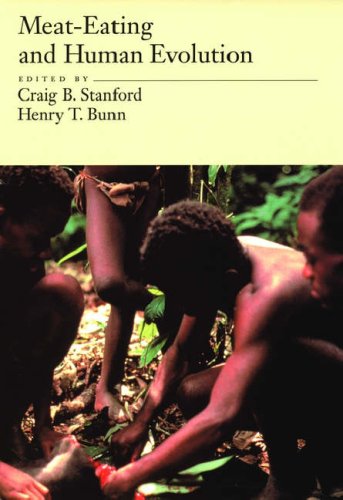 Meat-Eating and Human Evolution (Human Evolution Series) is a an expensive book that address the questions surrounding when, how, and why early humans began to eat meat. See and read the sample pages.
 The Carnitine Miracle by Robert Crayhon, M.S. The nutrient carnitine is abundant in red meat. According to Crayhon carnitine helps balance blood lipids and blood sugar levels, maximizes energy levels, increases endurance, eliminates discomfort in ketosis, promotes burning of fat and building of muscle and increases overall well-being. See reviews at Amazon.
 The Evolution Diet: All-Natural and Allergy Free by Joseph SB Morse. Included in this edition is a detailed section on the most common food allergies and intolerances: dairy, egg, peanut, seafood, shellfish, soy, tree nut, and wheat (including celiac).
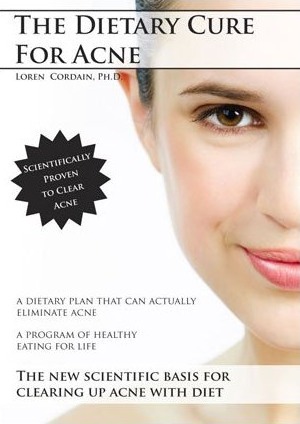 The Dietary Cure for Acne by Loren Cordain PH.D. describes how acne happens and then shows the relationship between the food we eat and acne. The diet is paleo-like and very strict. Many reviews rave about their success and the Amazon.com reviews average to 5 stars.
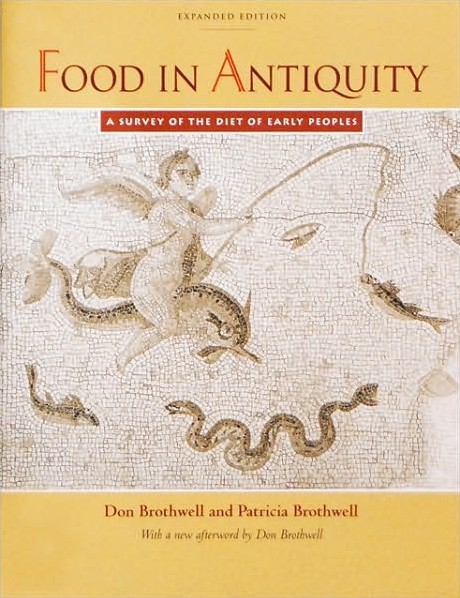 Food in Antiquity: A Survey of the Diet of Early Peoples (Expanded Edition) by Don R. Brothwell and Patricia Brothwell is a survey of what is known archaeologically about food and drink in pre-modern times. The chapter on insects includes their food value. In beverages it covers what happens to a neglected jar of fruit juice. Under cannibalism it shows evidence of this being done in paleo times, thought most of the work focuses on the classical and near-eastern civilizations, but occasional mention is made of the mesoamerican cultures as well. There is taxonomic and anatomical information.
 Human Diet: Its Origin and Evolution edited by Peter S. Ungar & Mark F. Teaford. This volume brings together experts in human and primate ecology, paleontology, and evolutionary medicine. Authors offer their unique perspectives on the evolution of the human diet and the implications of recent changes in diet for health and nutrition today.
 TBK Fitness Program by Tamir Katz shows how to achieve fitness through a healthy, natural hunter-gatherer diet along with a comprehensive exercise program with over 60 different bodyweight exercises of varying difficulty targeting all of the muscles in the body. Also included is a detailed discussion of nutrition and the diseases of civilization based on scientific research, information on stress management and preventive medicine, recommendations on vitamin and supplement use, tips on how to make your fitness program succeed where others have failed, tips on food shopping and preparation, sample meals, and more. The Amazon reviews average to 4+ stars.
 Paleonutrition by Mark Q. Sutton, Kristin D. Sobolik, and Jill K. Gardner is the analysis of prehistoric human diets and the interpretation of dietary intake in relation to health and nutrition. This is a substantial text that combines background to paleonutrition, an extensive bibliography, a discussion on methods, and case studies. Published February 23, 2010.
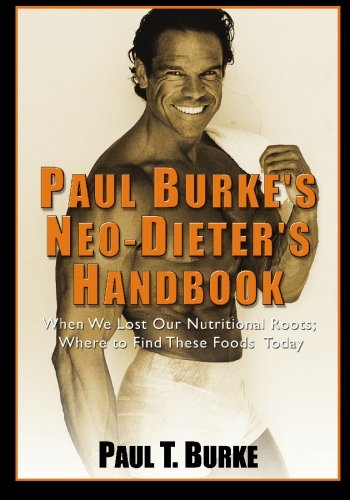 Paul Burke's Neo-Dieter's Handbook: When We Lost Our Nutritional Roots; Where to Find These Foods Today by Paul Burke M. Ed. The book focuses on nutrition, the right nutrition to enhance health, exercise, weight training, and fitness. The diet consists of lean protein, vegetables, nuts, and fruit. He is opposed to grains. He wants you to stay away from grain-fed meat. The single review at Amazon.com gives the book 5 stars. Published August 21, 2009.
 Cancer: Disease of Civilization? An anthropological and historical study by Vilhjalmur Stefansson. This classic shows what happens before and after tribes were "civilized." Covers day-to-day experience of Eskimo life. Published in 1960. Used copies are available at a steep price. To read it get it on inter-library loan. Another of his many books My Life with the Eskimo (New Edition) is available.
 Primitive Man and His Food by Arnold Paul De Vries. Published in 1952 this is the first book with an evolutionary component and could be considered the beginning of the paleo diet movement. Used copies are available on Amazon.
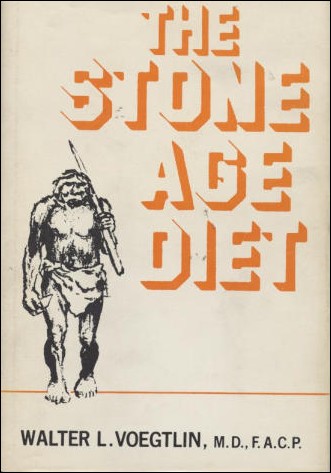 The Stone Age Diet: Based on in-depth studies of human ecology and the diet of man by Walter L. Voegtlin. This was self-published back in 1975. Only a couple hundred copies were printed and distributed to friends and relatives. No one knew the book existed until some years later. In no way is he the father of the paleo diet. It is impossible to purchase. Apparently his descendents are planning a reprint, though the book is poorly written and not based upon factual anthropological information that even was available then. We have put up his Functional and Structural Comparison of Man's Digestive Tract with that of a Dog and Sheep. And there is a PDF of the book.
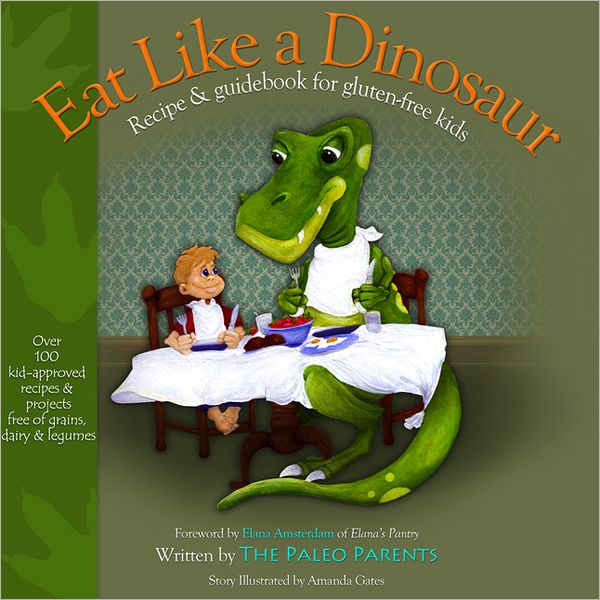 Eat Like a Dinosaur: Recipe & Guidebook for Gluten-free Kids by Paleo Parents. The Book is a colorful children's story describing the paleo diet, chock-full of recipes without grains, dairy, soy or refined sugar. For those with food allergies, the top 8 allergens have been visually marked on each recipe for children to self-identify recipes that may contain eggs, nuts, fish, or shellfish. Published March 20, 2012.
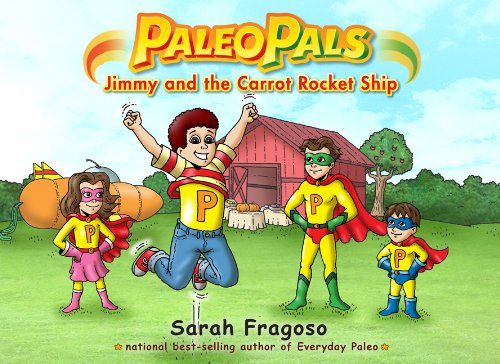 Paleo Pals: Jimmy and the Carrot Rocket Ship by Sarah Fragoso. Piper, Phoenix and Parker are not ordinary children–they are super heroes that travel the land helping other children learn about living the healthiest, most exciting, most super lives possible. They are known as The Paleo Pals, and this is a story about how they help out Jimmy, a little boy who is not sure if eating paleo food is even one tiny bit exciting or super. Published February 7, 2012.
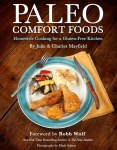
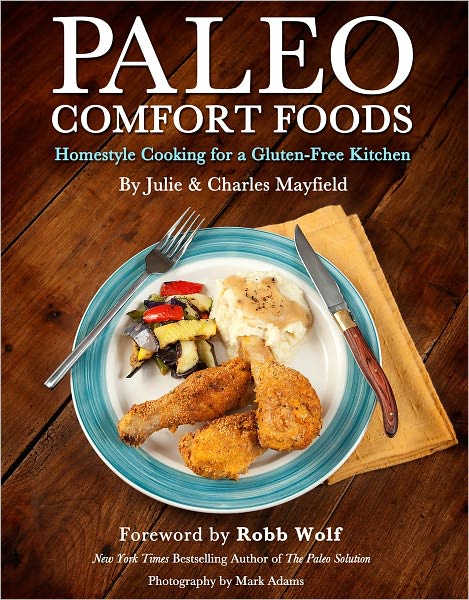 Paleo Comfort Foods: Homestyle Cooking in a Gluten-Free Kitchen by Julie Sullivan Mayfield and Charles Mayfield. Implementing paleo guidelines and principles in this book (no grains, no gluten, no legumes, no dairy), the Mayfields give you 100+ recipes and full color photos with entertaining stories throughout. The recipes in Paleo Comfort Foods can help individuals and families alike lose weight, eat healthy and achieve optimum fitness, making this way of eating sustainable, tasty and fun. The many reviews at Amazon are basically flawless. The sole complaint is over the lack of nutritional information. But there is no counting on the paleo diet and its inclusion would have been inappropriate. Published September 10, 2011.
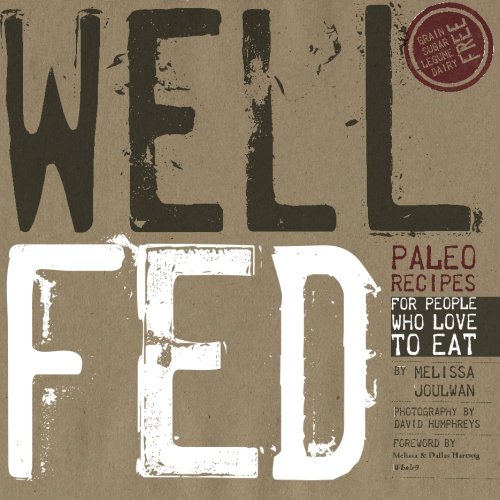 Well Fed: Paleo Recipes for People Who Love to Eat by Melissa Joulwan has recipes for food that you can eat every day, along with easy tips to make sure it takes as little time as possible to prepare. All recipes are made with zero grains, legumes, soy, sugar, dairy, or alcohol. Calorie-dense ingredients like dried fruit and nuts show up as flavoring, instead of primary ingredients. It will also show you how to how to mix and match basic ingredients with spices and seasonings that take your taste buds on a world tour. With 115+ original recipes and variations. The author is a popular blogger at The Clothes Make The Girl. All Amazon reviews are positive. Published December 12, 2011.
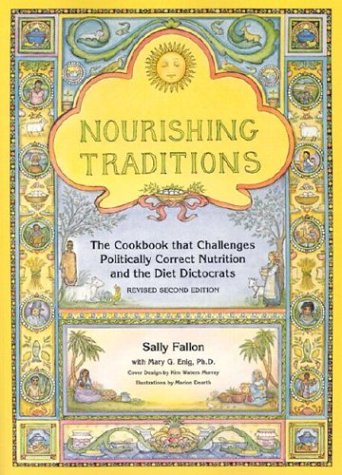 Nourishing Traditions: The Cookbook that Challenges Politically Correct Nutrition and the Diet Dictocrat by Mary G. Enig, Ph.D. and Sally Fallon. The premise is the culinary traditions of our ancestors, and the food choices and preparation techniques of healthy nonindustrialized peoples, should serve as the model for contemporary eating habits. However, they push whole grains and dairy, which aren't Paleolithic.
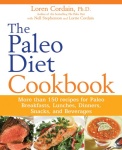
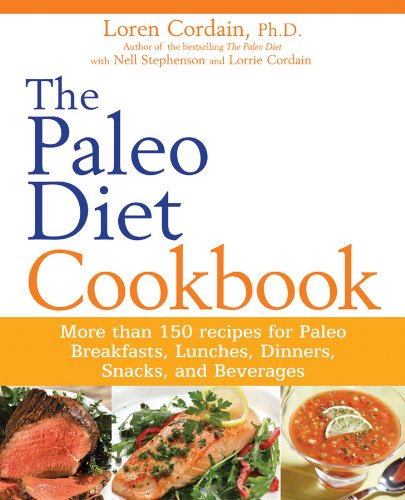 The Paleo Diet Cookbook: More than 150 recipes for Paleo Breakfasts, Lunches, Dinners, Snacks, and Beverages by Loren Cordain. Also contains two weeks of meal plans and shopping and pantry tips. Helps you lose weight and boost your health and energy by focusing on lean protein and non-starchy vegetables and fruits. Note that this is a very low-fat book and is being marketed as such. Published December 7, 2010.
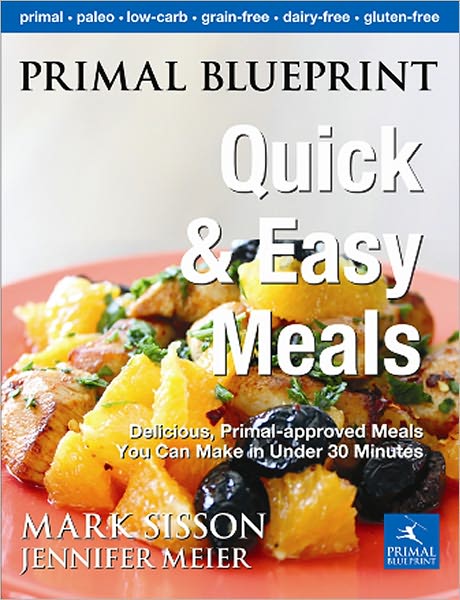 Primal Blueprint Quick and Easy Meals: Delicious, Primal-approved meals you can make in under 30 minutes by Mark Sisson and Jennifer Meier. Every recipe is accompanied by an ingredient list, a nutrient list, clearly written instructions, and a picture of the ingredients and a picture of the finished product. Note that this is a primal book and many recipes include dairy. Published March 25, 2011.
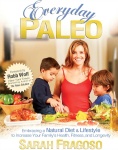
 Everyday Paleo by Sarah Fragoso. Includes simple starter guide, family-friendly menus, stress-free fitness plan, eatng out survival guide, essential tips for getting the family onboard, and much more. If you have a family and you want to get them paleo, this is the cookbook to get. Published April 25, 2011.
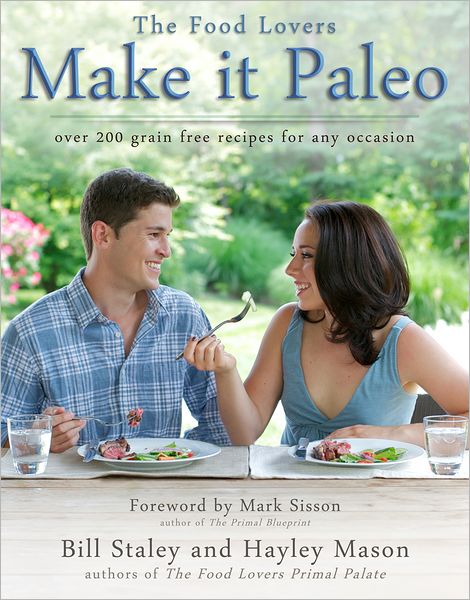 Make it Paleo: Over 200 Grain Free Recipes For Any Occasion by Bill Staley and Hayley Mason. The book shows you how easy it is to take any dish and Make it Paleo! Adapted from Chinese, French, Mexican and classic American meals, the over 200 recipes are each accompanied by good photos and notes to ensure you recreate each dish with ease. Most recipes are ones that can be found in an ordinary cookbook. Butter and vinegar are also used, which I do not consider paleo. Published October 20, 2011.
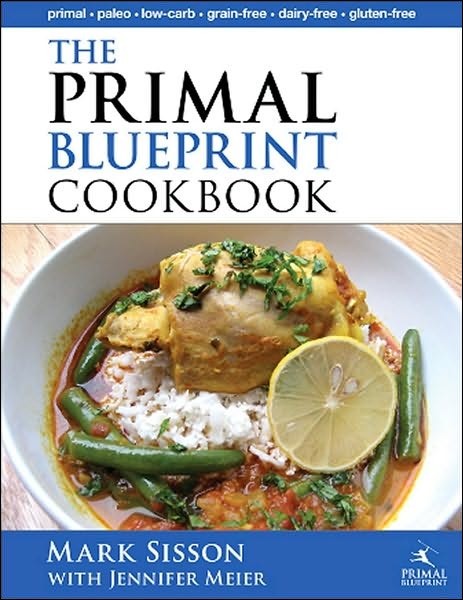 The Primal Blueprint Cookbook: Primal, Low Carb, Paleo, Grain-Free, Dairy-Free and Gluten-Free by Mark Sisson and Jennifer Meier. Recipes include: Roasted Leg of Lamb with Herbs and Garlic, Salmon Chowder with Coconut Milk, Tomatoes Stuffed with Ground Bison and Eggs, and Baked Chocolate Custard. Recipes are simple and have limited ingredients. Complaints are the book is stuffed with unnecessary photos and proofreading could have been better, e.g. oven temperatures were left out. And recipes are not truly paleo. Despite what is on the cover dairy is used in some recipes. The Amazon reviews average to 4+ stars.
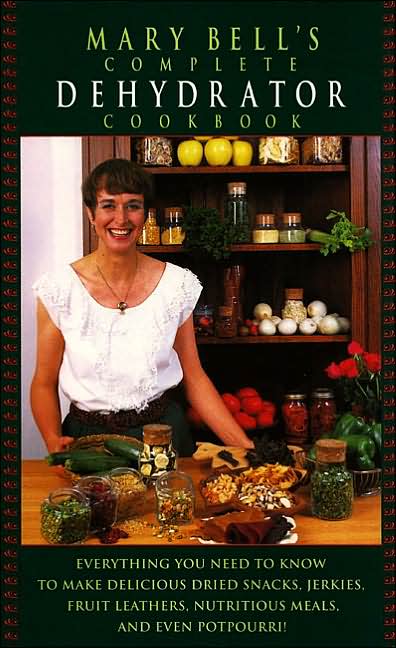 Mary Bell's Complete Dehydrator Cookbook is the classic dehydrating cookbook. Mary has spent more than twenty years traveling around the country demonstrating food dehydrators and food drying techniques.
 The Lazy Paleo Enthusiast's Cookbook: A Collection of Practical Recipes and Advice on How to Eat Healthy, Tasty Food While Spending as Little Time in the Kitchen as Possible by Sean Robertson. The author is a recovering vegan and in the first half of the book recounts his dietary experiences using some paleo foods to restore his health. You learn that the author's main strategy is to make food in large batches which can be reheated to provide dinners for several days running. The second half of the book contains 28 recipes. Some borderline or nonpaleo ingredients do appear, but most of the recipes are more paleo than not. Published November 15, 2011.
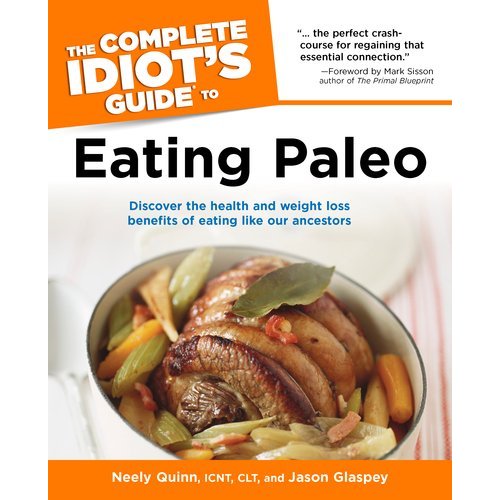 The Complete Idiot's Guide to Eating Paleo by Neely Quinn and Jason Glaspey. The book explains the diet of our hunter/gather ancestors, as well as the long-term benefits associated with it. Includes key diet guidance as well as over 100 delicious recipes. The author's site is PaleoPlan. Published April 3, 2012.
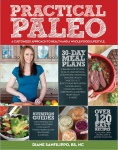
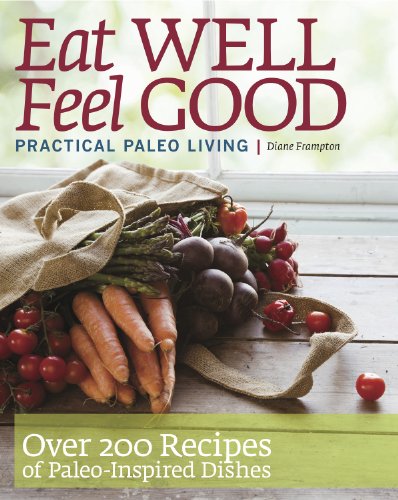 Eat WELL Feel GOOD: Practical Paleo Living by Diane Frampton has over 200 recipes that makes paleo eating simple, delicious, and ultimately, intuitive. So they claim. There are only a few reviews at Amazon. They all like the book, but their lack of details makes it appear that they are not truly independent reviews. The recipes have a Crossfit appeal to them. Chef Rachel Albert has posted some recipes from the book [archive.org].
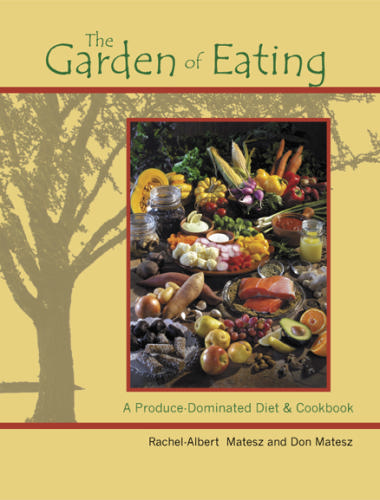 The Garden of Eating: A Produce-Dominated Diet & Cookbook by Rachel Albert-Matesz and Don Matesz presents evidence for a diet of vegetables, fruits, and pasture-fed animal products. Provides a practical plan and 250 delicious, family-friendly, grain- and dairy-free recipes. Buy from the author's page The Garden of Eating. Rachel's blog The Healthy Cooking Coach. The cookbook maintains a perfect rating at Amazon.
Vibram FiveFingers:
There are two lines of barefoot shoes. The more popular, but much more radical, are Vibram's FiveFingers. You can find the various styles at Amazon.com. Two of the popular styles are discussed below.
 When you're scrambling up a rocky bluff or bounding along a riverbank, the last thing you want is gravel and grit seeping into your FiveFingers. The Vibram FiveFingers KSO is an all-new design with thin, abrasion-resistant stretch polyamide and breathable stretch mesh that wraps your entire forefoot to "Keep Stuff Out." A single hook-and-loop closure helps secure the fit. Non-marking Vibram TC1 performance rubber soles are razor-siped for a sure grip. KSO IS BEST FOR: Light Trekking, Climbing, Canyoneering, Running, Fitness Training, Martial Arts, Yoga, Pilates, Sailing, Boating, Kayaking, Canoeing, Surfing, Flats Fishing, Travel. Available in Black or Grey/Palm/Clay.
 The Vibram Fivefingers KSO Trek is a more rugged version of the popular KSO. Made from K-100 high performance kangaroo leather, the KSO Trek boasts extreme strength for excellent durability; amazing breathability; perspiration resistance to prevent sweat damage and prolong shoe life; and features MicrobloK anti-microbial treatment. These Vibram shoes are made for rugged outdoor use, providing grip and traction over a variety of surfaces. Additionally, the individual toe pockets separate and strengthen toes to improve balance, agility, and range of motion; while the thin EVA midsole and Vibram Performance rubber outsole allows your feet to move the way nature intended. The Vibram FiveFingers KSO Trek Shoes are perfect for light trekking, trail running, fitness walking, and travel.
VivoBarefoot
The line of VivoBarefoot shoes have a design based on the simple principle that being barefoot is the healthiest way for you and your feet to be. An ultra thin (3mm) puncture resistant sole allows your feet to be as millions of years of evolutionary design intended Barefoot! There are many styles with each in many colors. Plus many more styles that are not available through Amazon.com. Many of them are conventionally styled and can be worn to work. For the current models see Amazon.com. One style is discussed below.
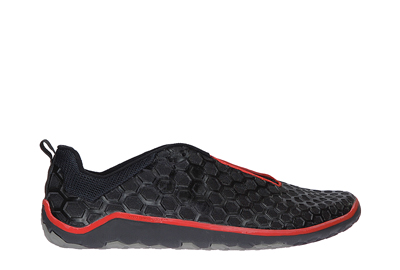 The EVO is designed to be the ultimate minimalist running shoe. The TPU Cage has breathable mesh and lightweight micro fiber reinforcements for maximum breathability and support while only weighing in at 7 ounces. The updated slim line VivoBarefoot shape and new ultra thin (4mm) soft rubber sole give maximum barefoot performance and response. The EVO is like running barefoot, but a little bit better. 100% Vegan.
Footskins Moccasins
 A more traditional minimalist shoe is a moccasin. Footear by Footskins has a line of them. The are available in a variety of soles, e.g. crepe soles (shoe-like with a heal), rubber soles (more flexible), molded soles (thinner and more lightweight but still suitable for outdoors), and leather canoe softsoles (for mostly indoor use). For mine pair I found it cheaper through Amazon. See moccasins by New and Bestselling for: Men's and Women's.
 A very comprehensive Kitchen Equipment FAQ is on another page.
 A dehydrator is a great implement for making your own paleo snacks. Especially jerky and pemmican. You want a temperature control as a lower temperature is better. The Nesco FD-75PR 700-Watt Food Dehydrator is the top selling dehydrator at Amazon.com, where it ships free.
 The Excalibur 9-Tray Dehydrator, Model 3900, is second best selling at Amazon.com. The 2900 (without a timer, which I don't have and don't see a need for) is the one I have. The best prices are at Amazon.com. You can get disposable sheets for making raw food cookies, pizza and bars.
Supplies
Paleo Food Mall: Foods Home Delivered
Equipment
Paleo Kitchen Equipment Encyclopedia Encyclopedia
Recipes
Paleo Food Recipe Collection (in cookbook order)
Listserv®
PaleoFood Mailing List and Archives
Gluten-Free Foods
GFmall: Listing many hundreds of suppliers
Gluten-Free Recipes
Collected Recipes for Alternative Grains
Gluten-Free Book Reviews
200 GF Book Reviews
Gluten-Free Links
Celiac Disease/Gluten Intolerance Web Sites
Non-Dairy Foods
NoMilk Mall
NoMilk Links
NoMilk Links

